

How to name and launch a second delivery brand from the same kitchen
A second brand can fill a quiet kitchen or steal orders from your first. How to choose the concept, name it for search and launch it.

On this page
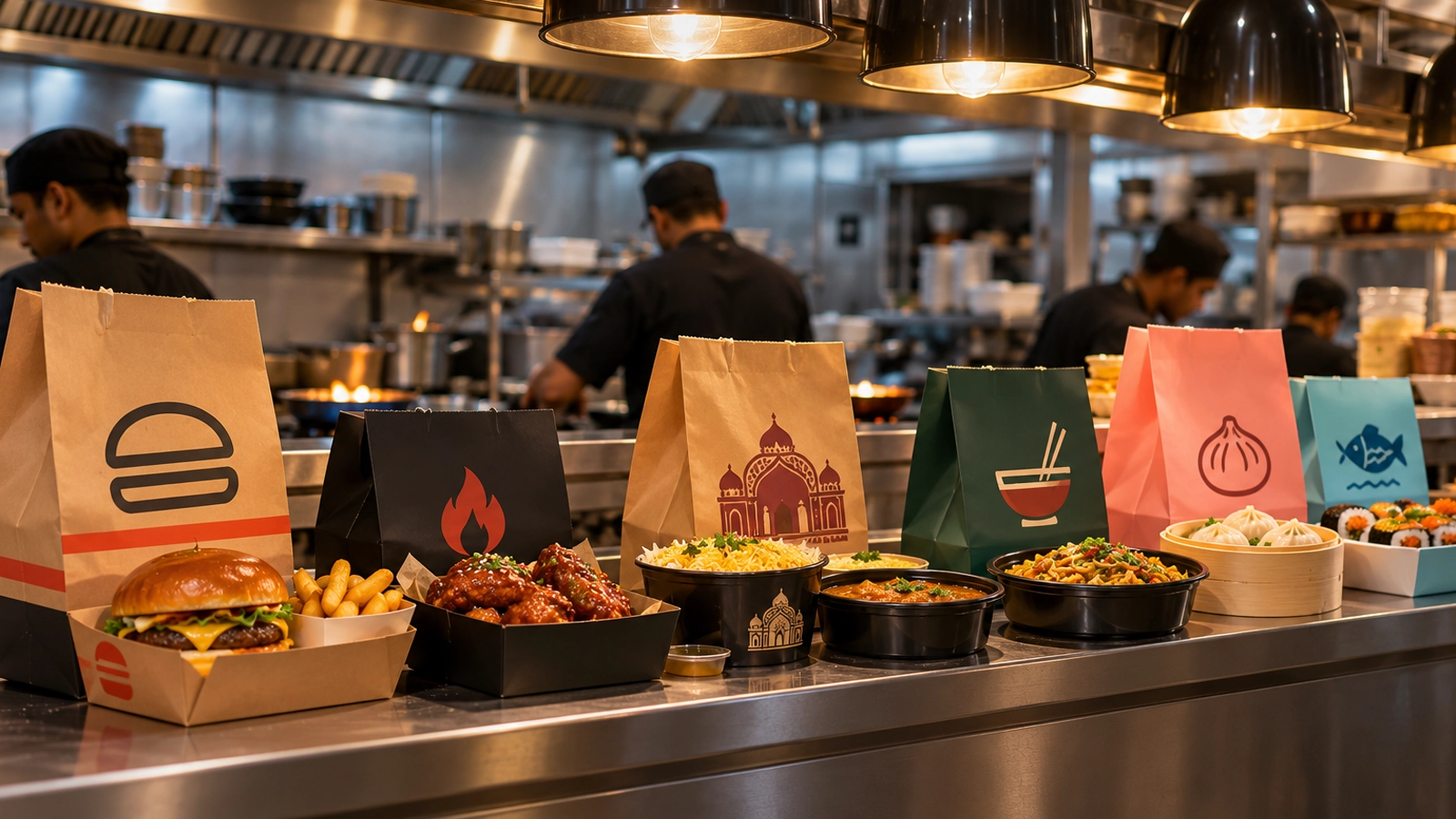
Your kitchen is busy for four hours a day and paid for twenty-four. A second delivery-only brand, sometimes called a virtual brand, can use the spare hours, the same team and most of the same ingredients. It can also quietly take orders from your main brand and leave you with more work for the same money. The difference is in the concept and the name.
Launch a second brand in a different category from your first, built mostly from ingredients you already stock, with a name that says what it sells. Give it its own photos and menu, launch on one app first, and judge it by total kitchen profit, not its own sales.
Pick a concept that adds, not one that splits
- Different category. If your main brand is burgers, a second burger brand competes with it in the same searches. Wings, wraps or bowls reach different searches.
- Shared ingredients. Most of the new menu should come from what you already buy and prep. Every new ingredient adds waste, storage and training.
- A gap in your area. Search the apps in your delivery radius. Categories with few restaurants or weak ratings are openings.
- A different price point. A value brand from a premium kitchen, or a premium brand from a value kitchen, can reach customers your main brand never will.
- Kitchen fit. The new menu must be fast to make on your existing stations, or it will slow down both brands at peak.
Name it for search and memory
A delivery brand is mostly seen as a small logo and a name in a list. The name has to work hard:
- Say the category. A name like "Momo House" tells you what it sells. A clever abstract name needs a big budget to explain itself.
- Easy to type and say. No unusual spellings. If someone heard it from a friend, could they find it?
- Check it is free. Search every app, Instagram and the trade name registry before falling in love with it.
- Not too close to your main brand. Customers should not think it is the same kitchen with a new sign.
- Leaves room to grow. "Wing Spot" can add tenders; "Buffalo Wing Spot" is harder to stretch.
Launch checklist
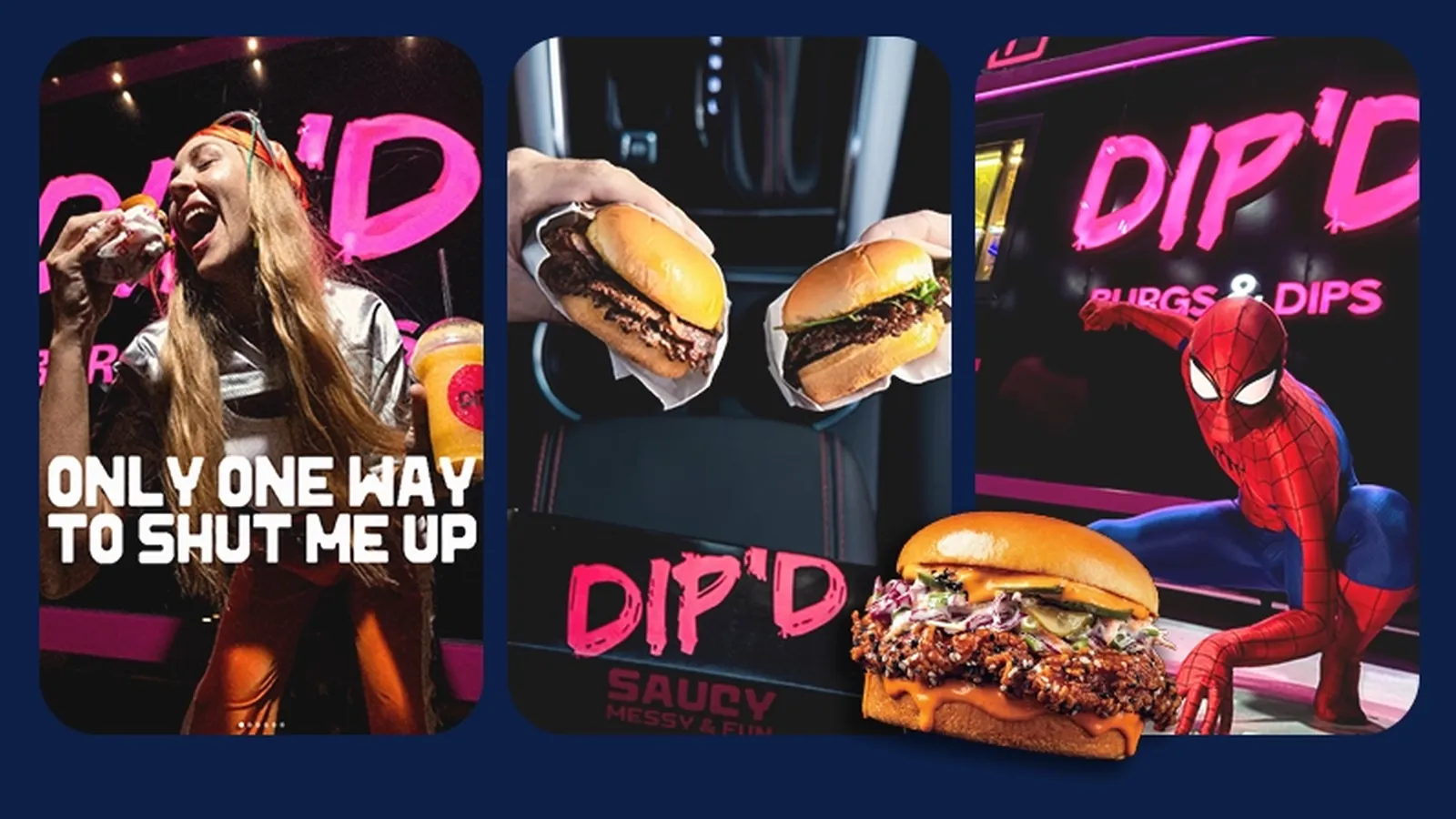
- Its own logo, cover image and item photos. Reusing your main brand's photos looks lazy and confuses customers.
- A short menu: 12 to 20 items, three or four combos. Read how to price combos.
- Item names built for search. See naming menu items for app search.
- Packaging that works for both brands, with a label or sticker for the new one.
- One app first. Add the next once ratings settle above 4.3.
Two new brands, one kitchen
A burger kitchen in Business Bay was stuck at 80 to 90 orders a day and losing money after costs, with idle hours every afternoon. Local search and order data showed sliders and wings were under-served nearby. We named, branded and photographed a sliders brand and a wings brand in-house, built both menus on the beef, chicken, buns and sauces the kitchen already stocked, and capped launch CPC at 2% of sales until each brand's rating passed 4.3.
M0 is the burger brand on its own. The sliders brand launched in M1 and the wings brand in M2, from the same kitchen, staff and pantry. Fixed costs stayed flat, so the extra orders turned a −6% margin into +12% by M3. Client name withheld. Figures rounded.Gromad case study 02.
Judge it by the kitchen, not the brand
After eight weeks, look at total orders and total profit across both brands. If the new brand added 30 orders a day and the main brand lost 20, you added 10 orders and a lot of complexity. If the main brand held and the kitchen's quiet hours filled up, it is working.
Asif leads sales and client partnerships across every Gromad service, and is usually the first person a restaurant owner speaks to.
More from Asif
 Mohammad Intekhab Alam
 Dilshad Raza