

Combo boxes that lift order value without killing your margin
A good combo raises the average order and keeps margin. A bad one is a discount in disguise. How to build and price them, with the maths.

On this page
Combos are the most useful tool on a delivery menu, and the most misused. Done well, they lift your average order and protect margin. Done badly, they are a permanent discount that trains customers never to pay full price.
Anchor every combo on a hero item, add sides and drinks with low food cost, and price the bundle about 10 to 15% below the items bought separately. Name the combo by what is in it. A well-built combo usually leaves you more money per order than discounting the hero item on its own.
Why combos work on delivery
Every delivery order carries costs that do not care how big the order is: rider, packaging, the minute of kitchen attention, the chance of a mistake. A bigger basket spreads those costs. Combos also make choosing easier. A customer scrolling at 9 pm wants a decision made for them.
The maths on one combo
An example with round numbers. A burger, fries and a drink, and a commission of 25% on every order.
| Price | Food cost | Food cost % | |
|---|---|---|---|
| Burger | AED 38 | AED 11.40 | 30% |
| Fries | AED 14 | AED 3.50 | 25% |
| Soft drink | AED 8 | AED 2.00 | 25% |
| Bought separately | AED 60 | AED 16.90 | 28% |
| Combo price | AED 52 | AED 16.90 | 32.5% |
Now compare what you keep after commission and food cost, three ways:
| Order | Price | Commission 25% | Food cost | You keep |
|---|---|---|---|---|
| Burger alone, full price | 38.00 | −9.50 | −11.40 | 17.10 |
| Burger alone, 20% off | 30.40 | −7.60 | −11.40 | 11.40 |
| Combo at AED 52 | 52.00 | −13.00 | −16.90 | 22.10 |
The combo looks like a discount to the customer, but it leaves you AED 5 more than the full-price burger and nearly double the discounted one. The trick is that fries and drinks have low food cost, so the saving comes mostly out of items that are cheap to make.
Interactive profit checkCheck your own combo marginsThe profit check opens with a combo-heavy menu: low discounts, slightly higher food cost. Change it to your numbers.Rules for building combos
- Start from your best-seller. The combo should make the most-ordered item better value, not push something nobody wants.
- Fill it with low food cost items. Fries, rice, bread, drinks and dips carry the saving.
- Price about 10 to 15% below the separate total. Enough to feel worth it, not enough to hurt.
- Name it by what is inside. "Chicken Burger Meal with Fries and Drink" will be found in search; "Combo 3" will not. More on this in naming menu items for app search.
- Keep three or four combos. One for one person, one bigger meal, one for sharing, maybe one value option. More than that and the menu gets confusing.
- Put them high on the menu. Combos near the top get ordered; combos at the bottom get ignored.
Meal boxes for one
For cuisines with several components, like Indian, Arabic or Asian food, a single-person box (a main, a carb, a side and a small sweet) works the same way. It solves the "what goes with what" question and makes portion and cost predictable for the kitchen.
Combos that include your highest food cost item twice, drinks that cost you more than you think once the cup and lid are counted, and launch offers stacked on top of combo pricing. A 20% offer on a combo that is already 13% below separate prices is a 30% discount.
What it looks like in practice
A dessert brand with four stores sold AED 120 celebration cakes and almost nothing else, at under two orders a day per store. We added single-serve slices, jars and mini cakes for the evening craving, then built slice-and-drink combos, sampler boxes and party packs on top. The average order went down on purpose. Everything else went up.
Discounts were raised deliberately for new customers during aggregator events, with ads paused whenever CM3 fell below the floor. Monthly sales grew 7x in six months. Client name withheld. Figures rounded.Gromad case study 01.
Combos can also protect margin. For three Pan-Asian kitchens we built smaller-portion solo combos at a lower entry price, and took the large and sharing sizes out of combos entirely, so they sell at full price only.
How to know it is working
After four weeks, check three things: did the average order go up, did the share of orders with a combo grow, and did what you keep per order hold or rise? If the average order went up but what you keep fell, the combo is too cheap.
Dilshad grows a portfolio of brands on the apps, from onboarding and menu structure to pricing, combos and weekly performance.
More from Dilshad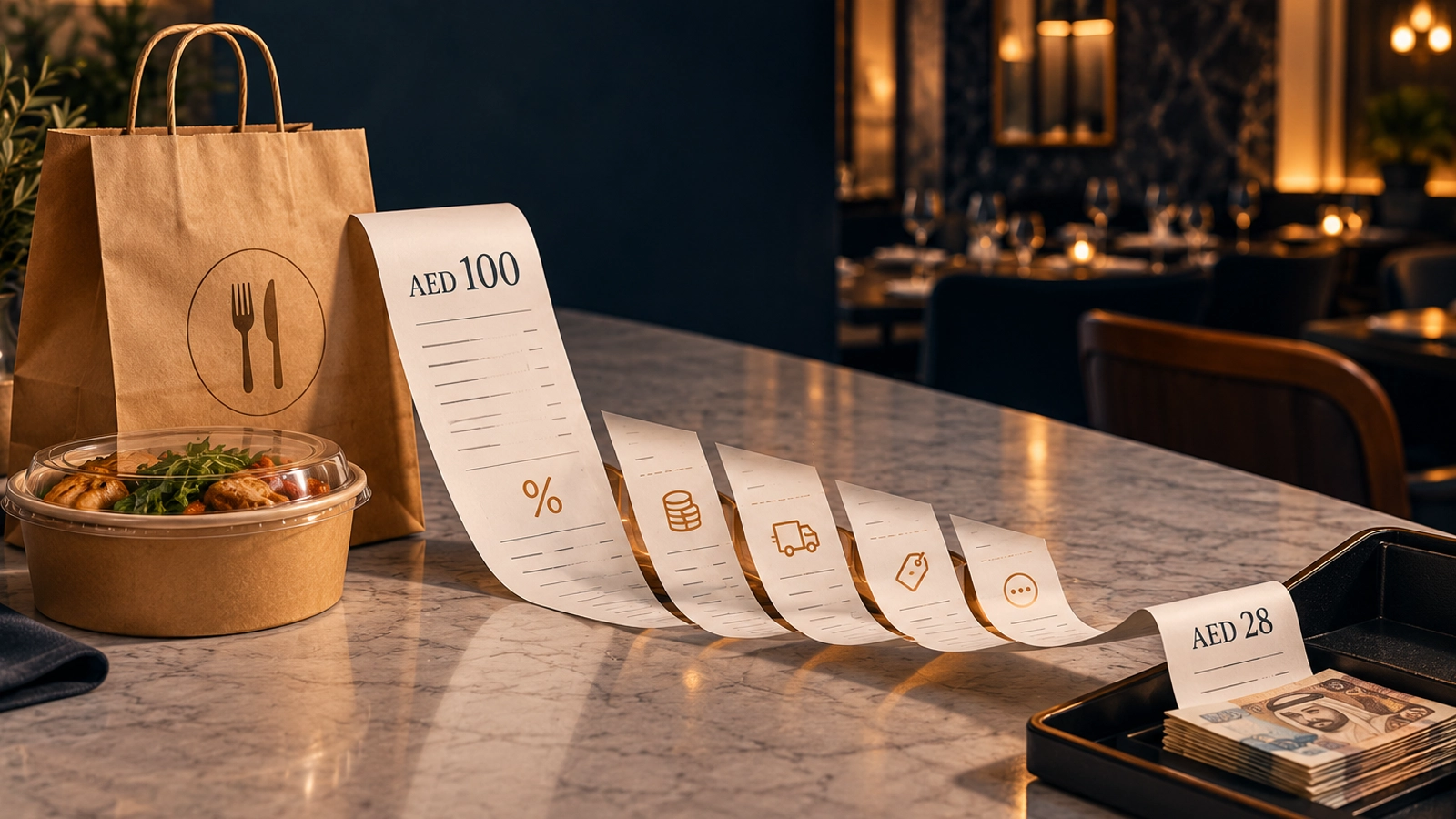
 Martha Thomas
 Mohammad Intekhab Alam
 Ryan Verghese