

Restaurant reels that sell food, not just views
Views are easy to buy and hard to bank. Seven reel formats that move orders, and how to tell whether they did.


On this page
A reel with 200,000 views and no change in orders is entertainment. A reel with 8,000 views that fills the kitchen on a Thursday night is marketing. Most restaurant social media is built for the first. Here is how we build for the second.
Show the food doing something in the first second, make the dish and the price obvious, tell people exactly where to order, and post when they are deciding what to eat. Then measure orders, not likes: compare order spikes against posting times, and use codes or links where you can.
Seven formats that sell
- The money shot. Cheese pull, sauce pour, the crunch. One second, no intro, straight into the food.
- What AED 50 gets you. Unbox a real delivery order and show everything in it. Value is visible.
- Made in front of you. Fast cuts of the dish being built, from raw to boxed. Shows freshness and care.
- The creator taste test. A local creator orders, opens and reacts. Less polished, more trusted. Brief them on the dish and the app, not the script.
- The team. The chef, the packer, the person who has made 10,000 shawarmas. People order from people.
- The new item drop. A countdown or reveal for a limited dish, with the app it is on.
- The answer. Reply to a real comment or review with a video. Proof that someone is listening.
What reels did for one café
A premium Korean café in Al Quoz went from AED 22,500 to AED 120,000 in monthly delivery sales in three months. The engine was always-on content around signature drinks and dishes, a creator programme with food and K-culture pages, and names on the apps that matched what people saw in the reels.
Marketing is CPC, social and creators as a share of sales. It peaked at launch and was back inside 10% by month three. Client name withheld. Figures rounded.Gromad case study 04.
Rules that apply to all of them
- The first second decides everything. Open on the food, never on a logo.
- Say where to order. "Search Chicken Steamed Momo on Talabat" works better than "link in bio".
- Post before people decide. Late morning for lunch, late afternoon for dinner, late night for the snack crowd.
- Put money behind winners. Let reels run organically for a couple of days, then put paid budget behind the ones that move orders.
- Make it look like your food on arrival. If the reel and the delivery do not match, the review will say so.
How to tell whether a reel sold anything
Social platforms show views and taps. Orders happen in the delivery apps. Connecting the two takes a little discipline:
- Compare hourly orders on the day and the day after each post with the same days in previous weeks.
- Use a dish that is only promoted on social, and watch its orders.
- Use promo codes or app links where the platform allows, and track them separately.
- For paid campaigns, report cost per order, not cost per view.
Reels work best when the menu and listing are already strong. If people come from Instagram and find a weak menu, they leave. Fix your photos and item names first.
Annie plans the social campaigns, creator partnerships and content that send hungry people to the apps.
More from Annie
 Ryan Verghese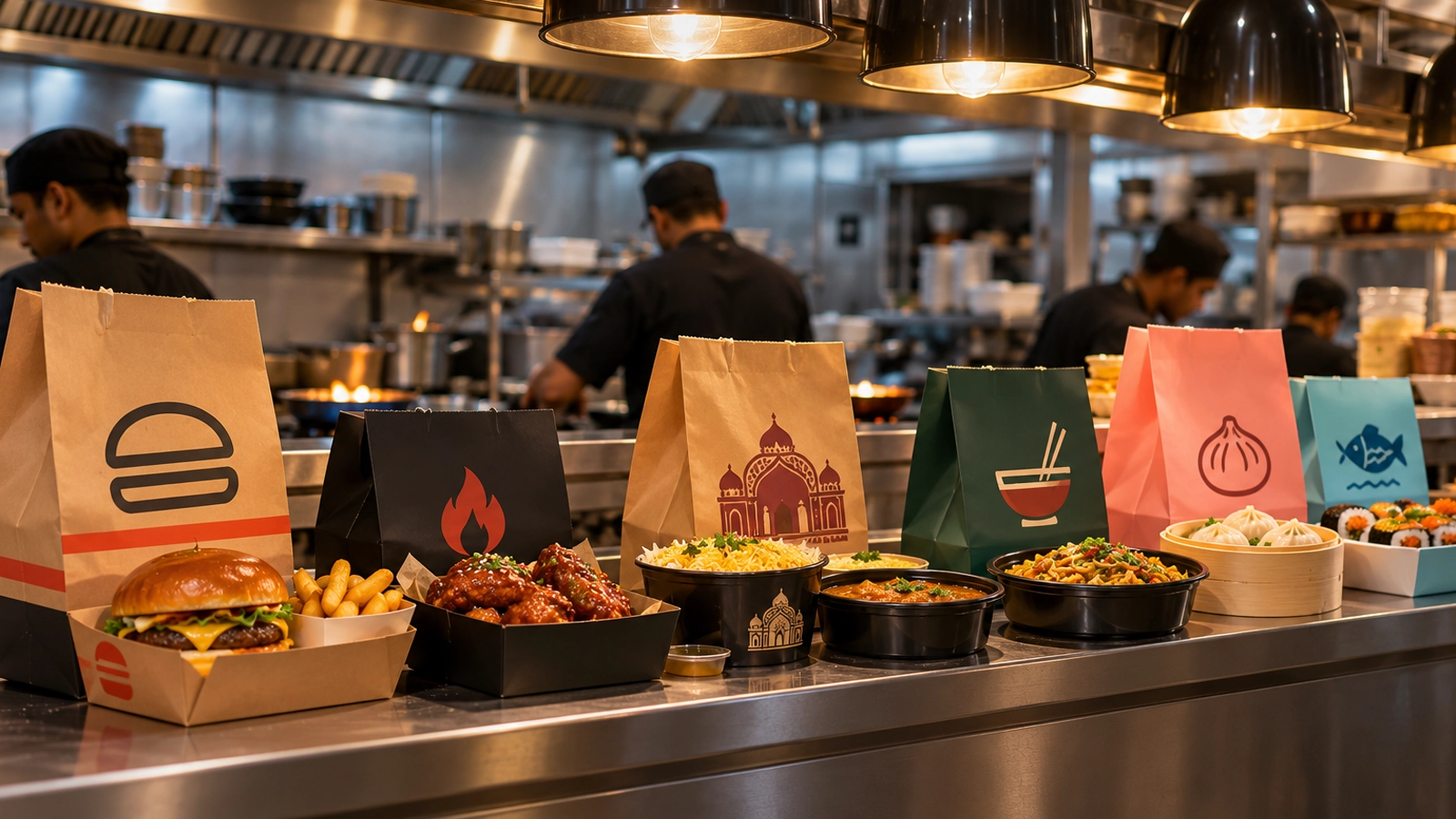
 Asif Akram